
Recladding on Occupied Residential Buildings
Occupied residential recladding needs controlled sequencing, clear communication and evidence-led handover, not noisy claims.
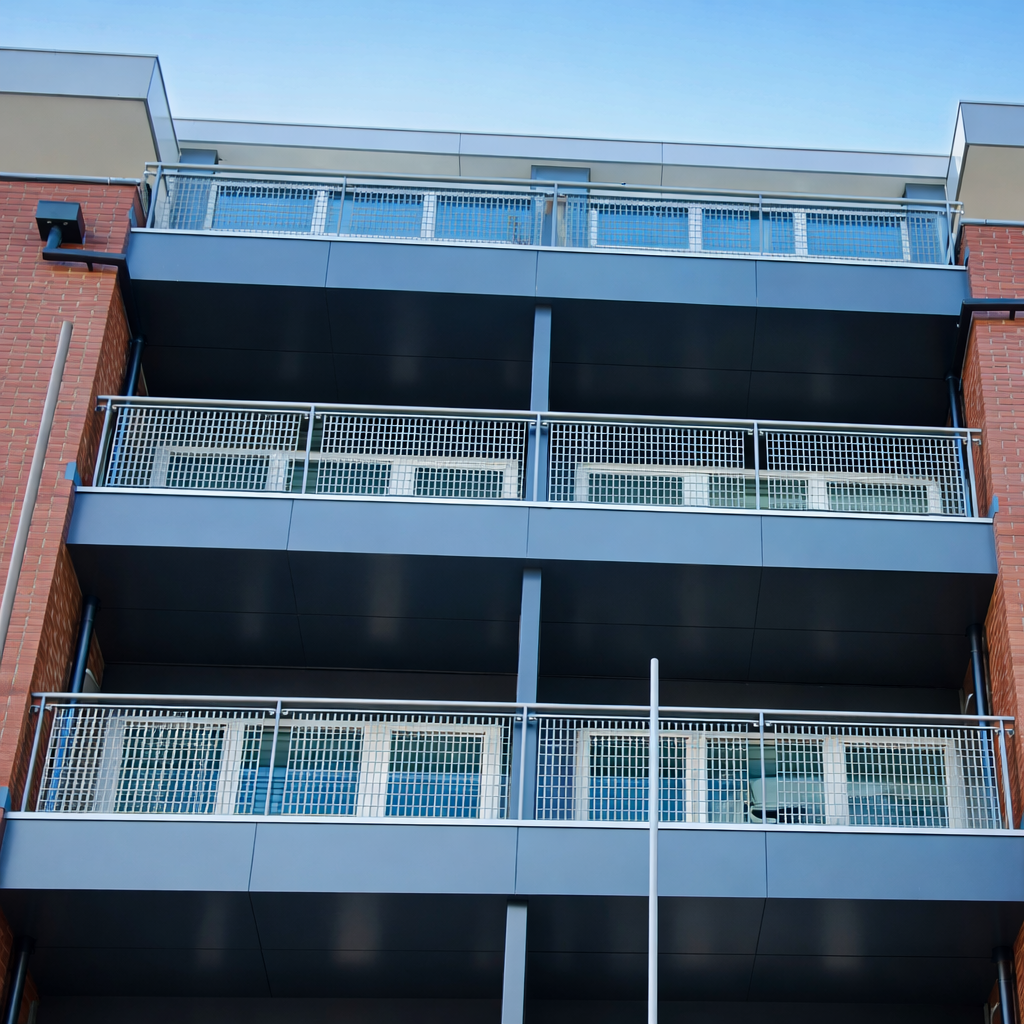
Occupied residential recladding needs a different mindset from a closed construction site. The facade package sits next to people already using the building, so the work has to be planned around access, sequencing, inspections, resident routes and clear handover evidence.
Start with the package, not the labour
Before a team is put on site, the important questions are practical: what drawings are approved, what interfaces need checking, what access is available, and what programme sequence the site is working to. On occupied buildings, small coordination gaps can create visible problems quickly.
The installation team should understand the package before mobilisation. Drawings, scope, access restrictions, material movement and hold points all need to be clear enough for site management to control the work without constant rework or confusion.
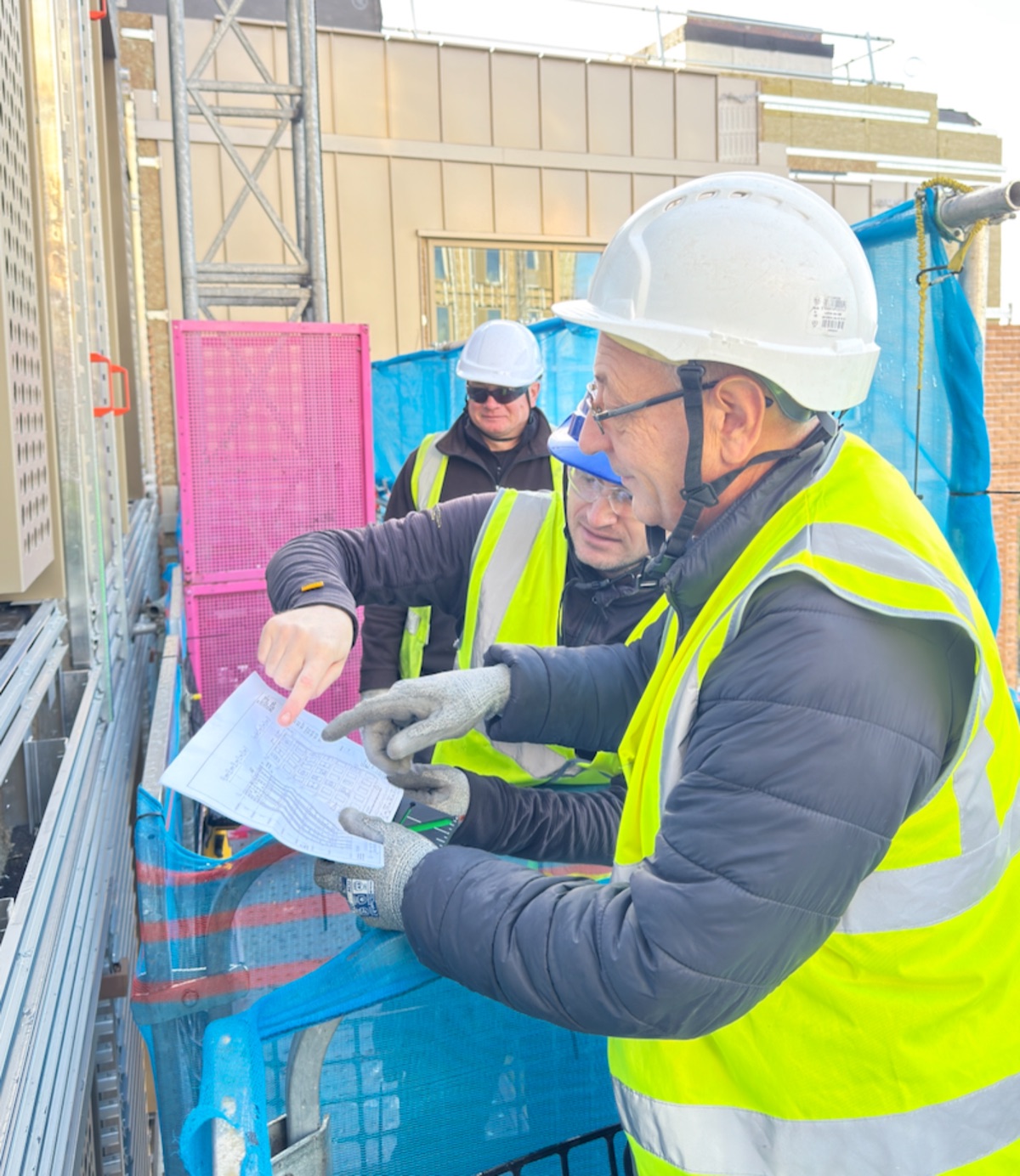
Sequence around the live building
Occupied recladding is not only about removing and replacing facade elements. The work has to sit inside a live environment. Access, weather protection, delivery routes, scaffold lifts, exclusion zones and daily site management all affect how the package is delivered.
A controlled sequence helps the principal contractor and site team understand what is happening next, where inspections are required, and what areas are ready for follow-on trades or handover records.
QA records have to keep up with the work
For remediation work, photographic records, checks against drawings and clear installation notes matter. The paperwork should not be treated as something separate from the work. It needs to follow the installation sequence so evidence is available when the package is reviewed.
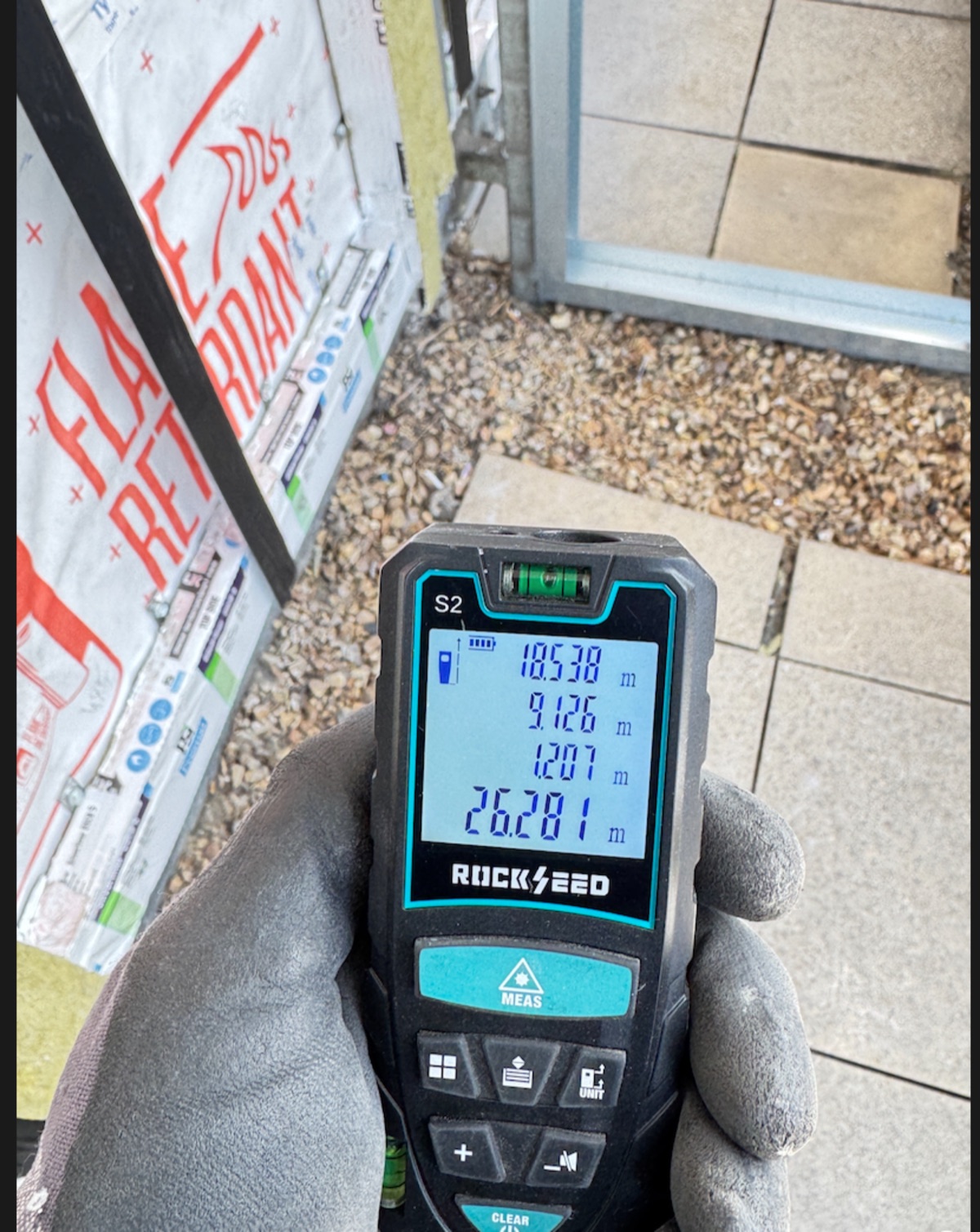
Communication matters because people are still in the building
On occupied residential buildings, communication has to stay simple and controlled. Site managers need to know what areas are active, what is being opened or closed, and what information is required before works continue. Clear coordination reduces pressure on the programme and avoids avoidable surprises.
Related site experience
Northern Angel in Manchester is listed as related Site Experience for this Journal article. The project context is useful because it sits in the kind of live residential environment where sequencing, access and visible finish all matter.