Access Planning for Cladding Works
Façade Field Notes
Short version
Access Planning for Cladding Works
Access is not a side issue. It often decides the job.
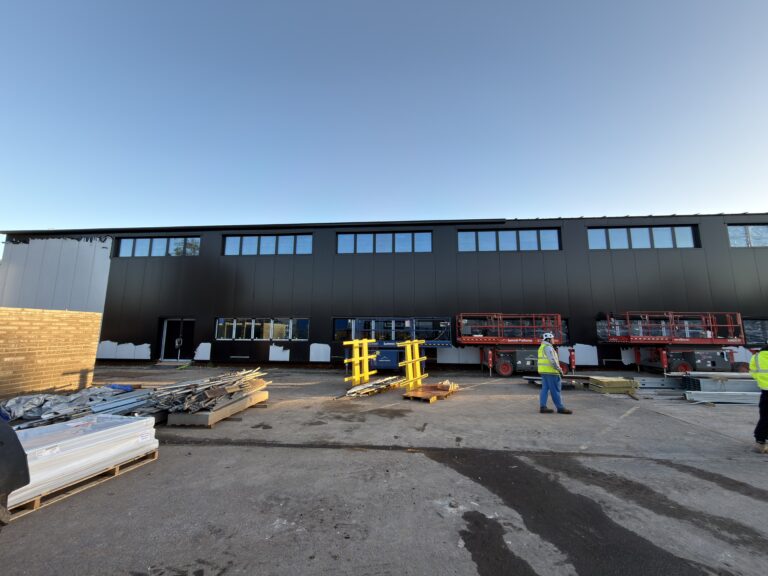
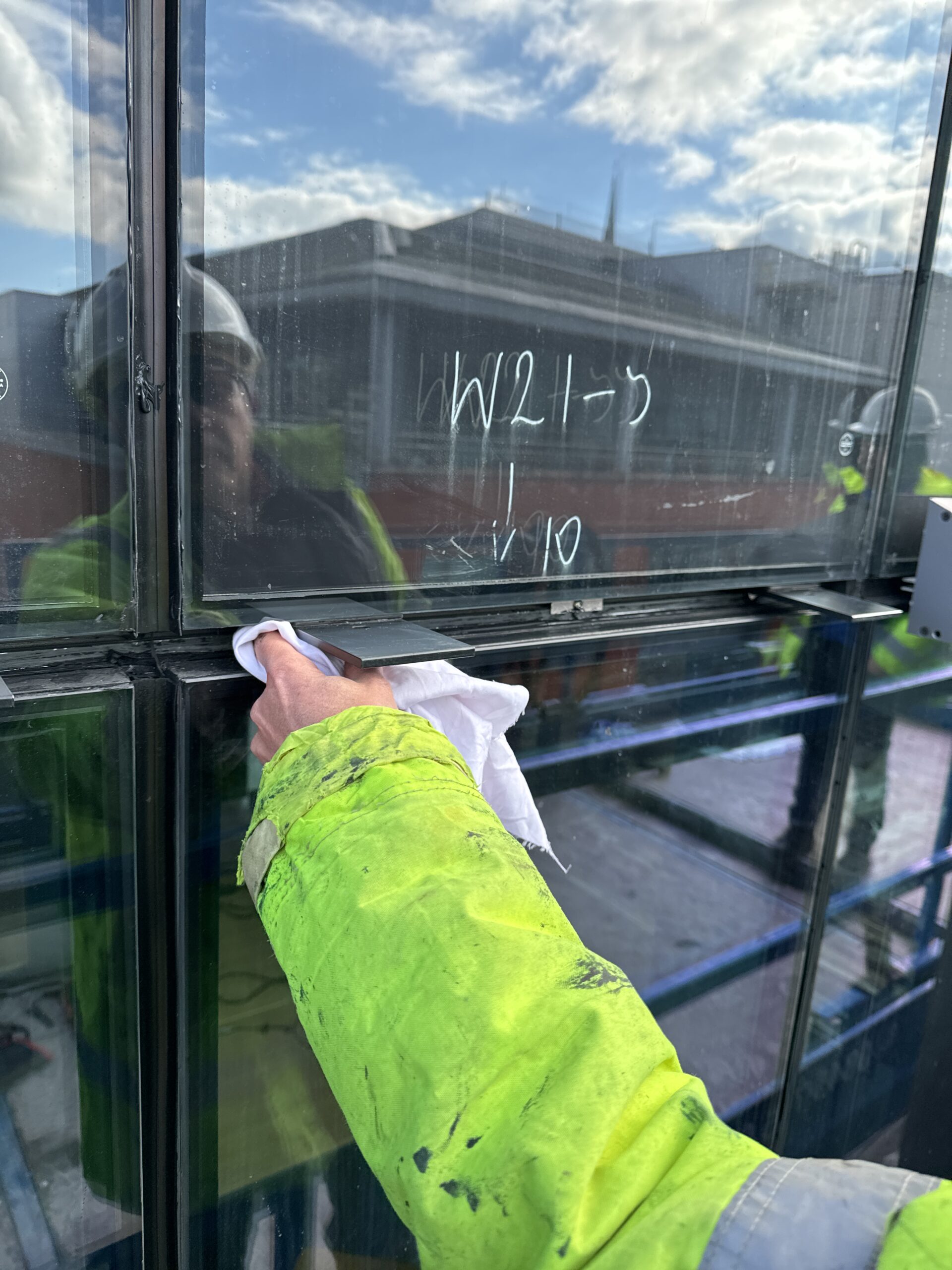
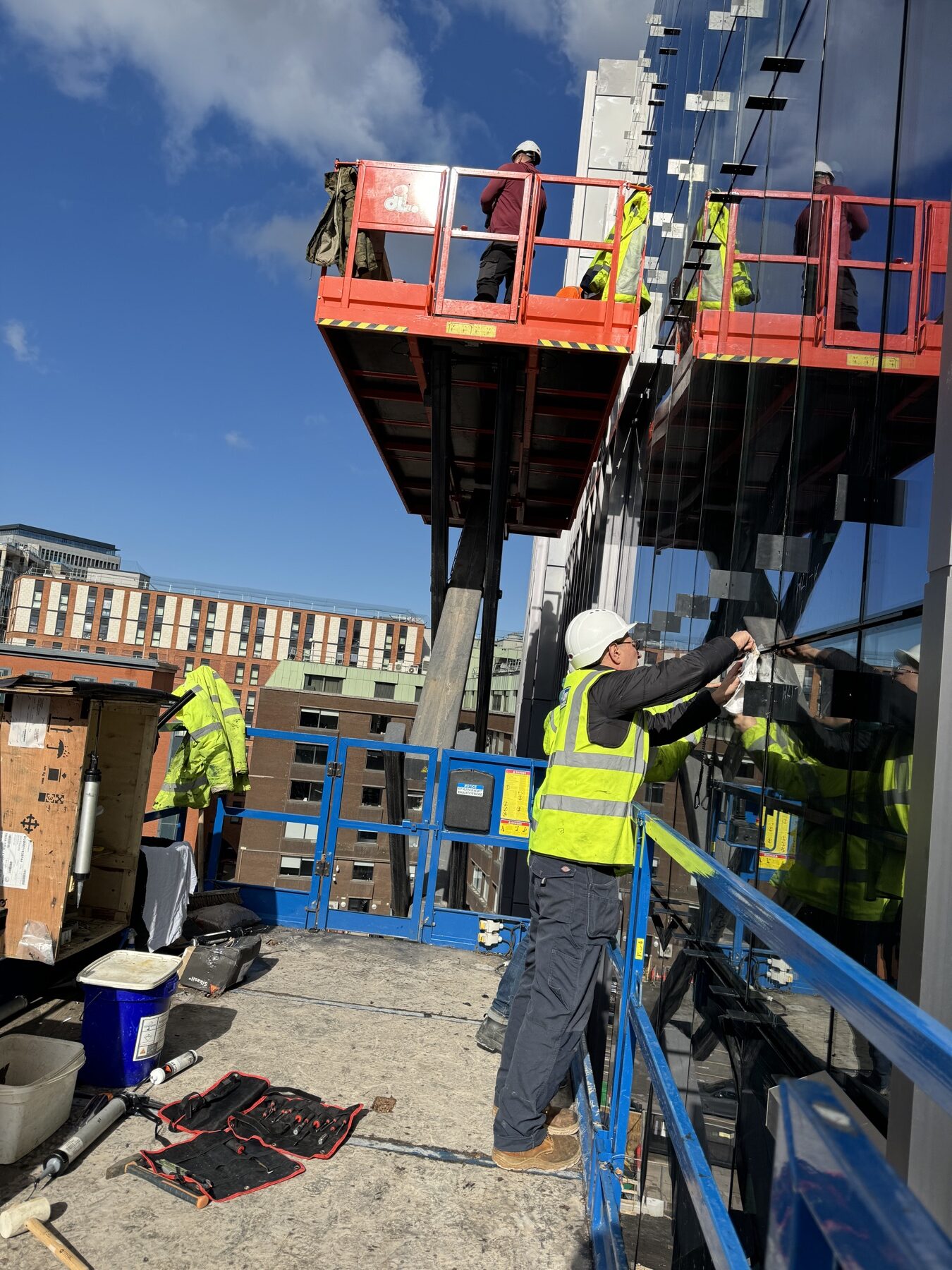
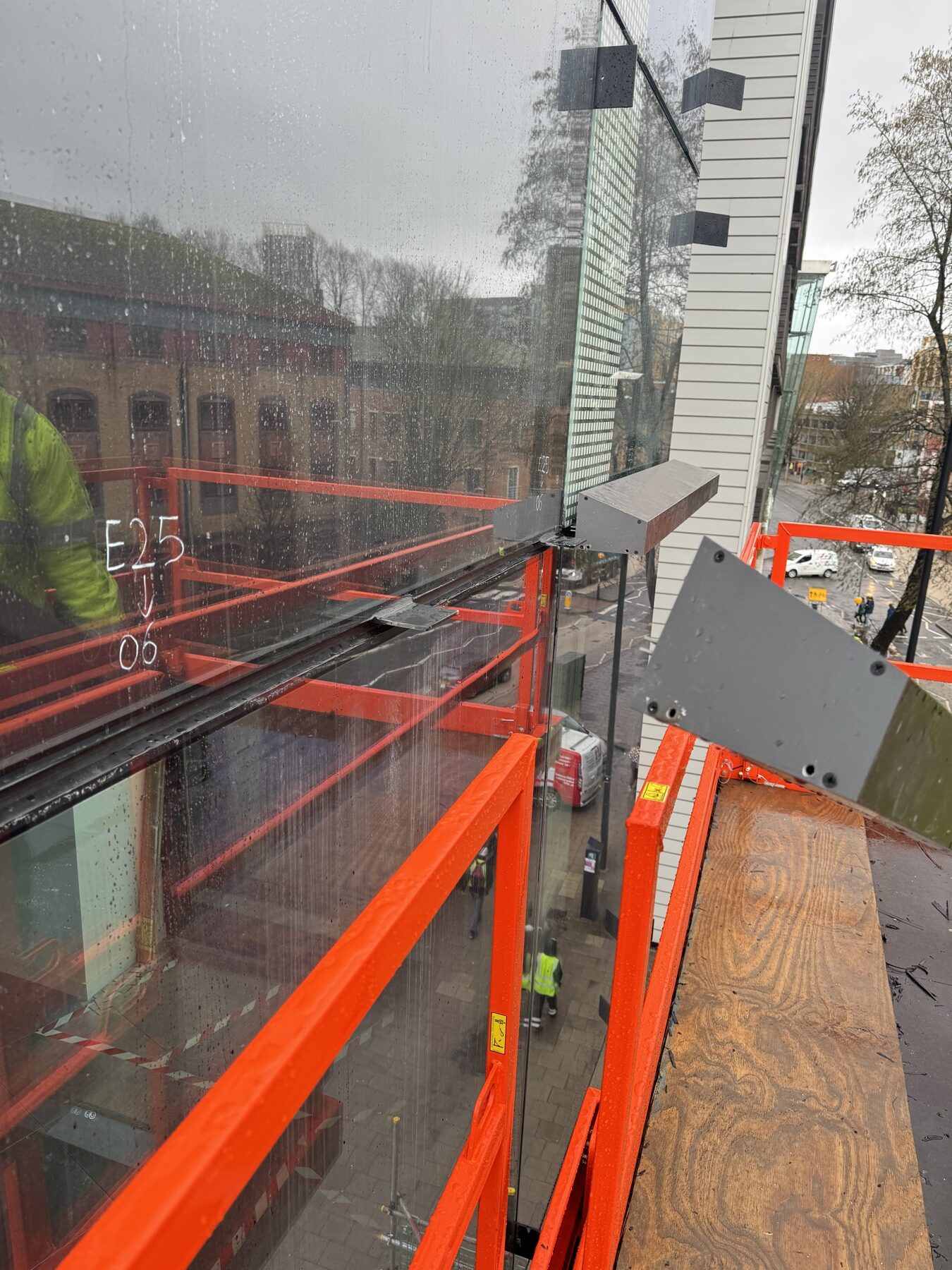
Scaffold, MEWP, towers, cranes, cherry pickers and exclusion zones change how a façade package can be installed. A detail that is easy at waist height becomes a different animal from a basket in wind, glass and traffic.
Good access planning keeps the work practical, not theatrical.
The access method changes the sequence
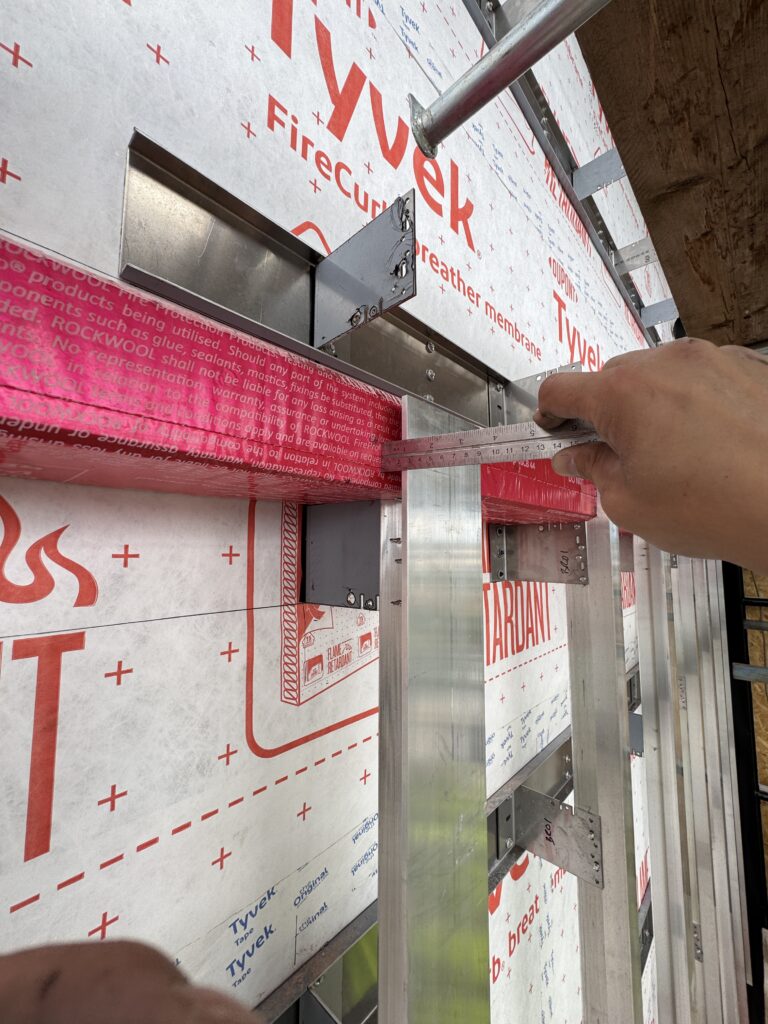
A clean install route depends on how people, panels, tools and fixings reach the workface. If access changes during the works, the sequence may need adjusting before quality or speed suffers.
The best access conversations are usually short and direct: where can we reach, when can we reach it, and what is blocking the next move?
Typical access issues
On live commercial sites, access rarely belongs to one trade. The façade package has to work around other teams, deliveries, plant, exclusion zones and changing priorities.
- MEWP routes and lift positions
- Scaffold lifts and boarded areas
- Tower access and working height limits
- Crane or telehandler movements
- Restricted zones around entrances or public-facing areas
Why this matters commercially
For PMs and QS teams, access affects productivity, programme and variation risk. If the access assumption is wrong, the price conversation usually gets less enjoyable. Better to clarify it early.
Related Field Notes.
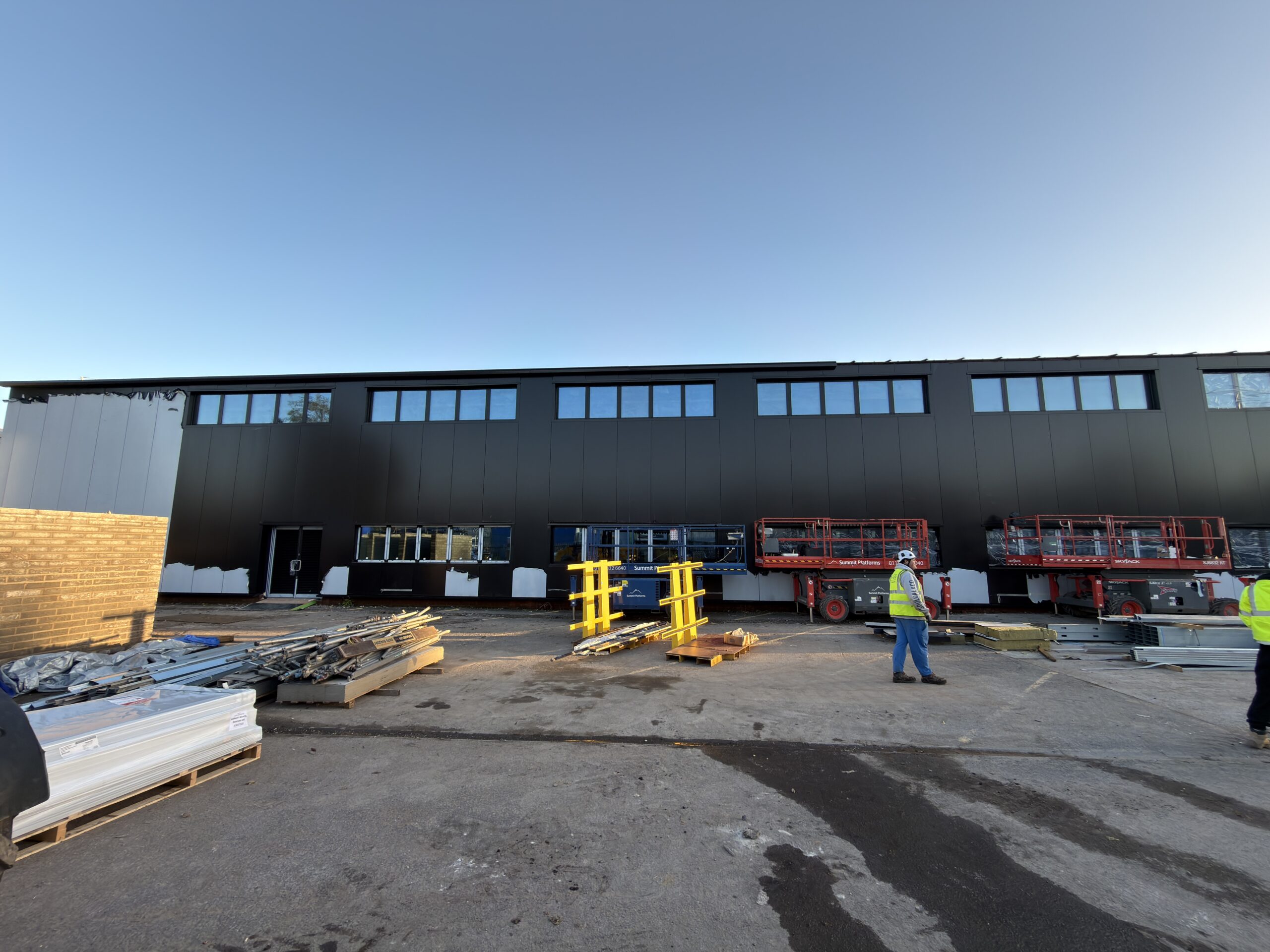 ScienceCreates OMX: Panel Sequencing and Reinstallation
Kingspan panel removal, sequencing and reinstallation at ScienceCreates OMX in Bristol, with practical access and interface control.
ScienceCreates OMX: Panel Sequencing and Reinstallation
Kingspan panel removal, sequencing and reinstallation at ScienceCreates OMX in Bristol, with practical access and interface control.
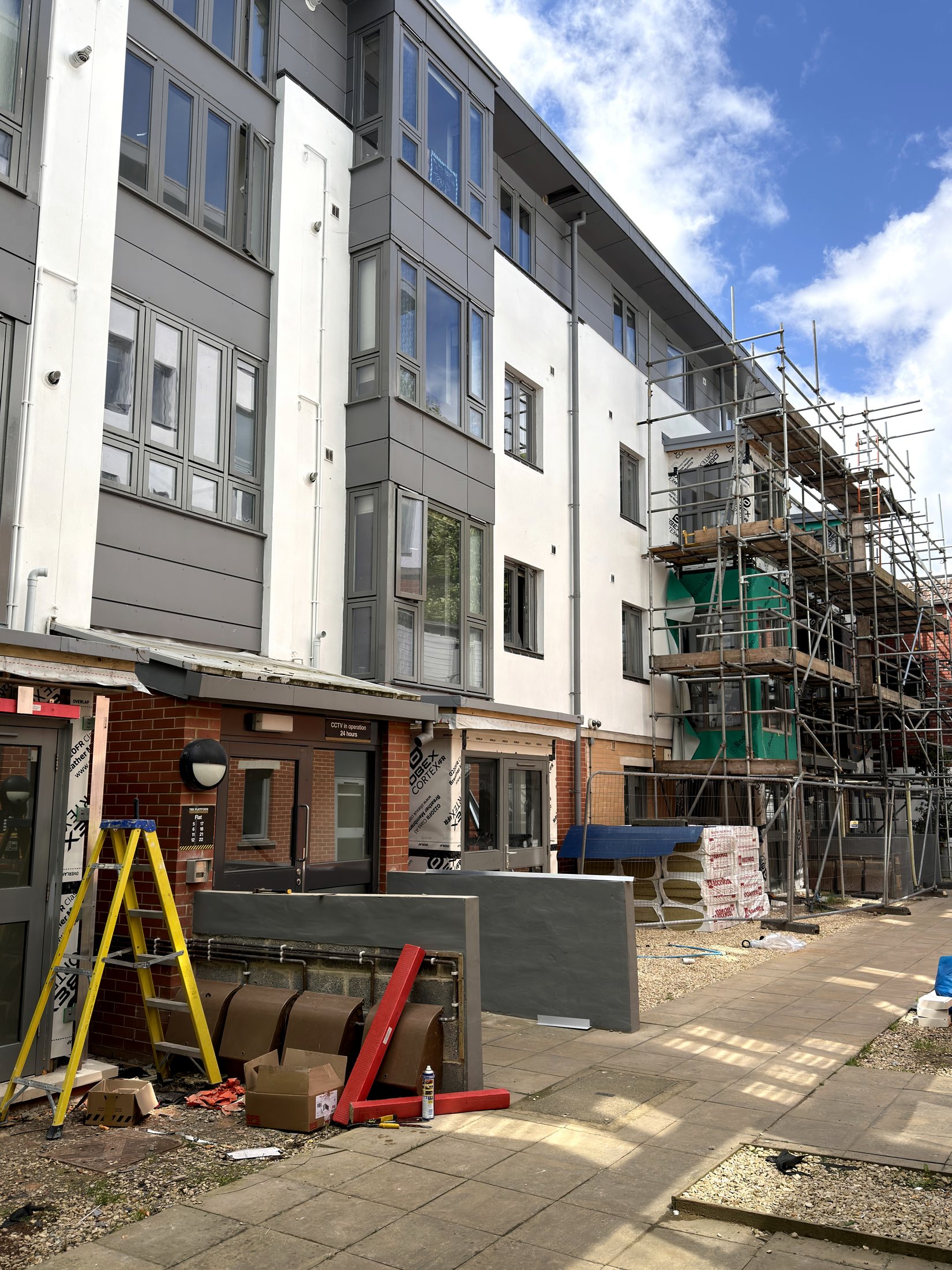 Small Packages, Big Interfaces.
The Platform Bristol field note on compact façade interface works, scaffold access, openings and clean coordination.
Complex Is Fine. Unclear Is Not.
Complex cladding packages are manageable when drawings, access, programme and responsibility boundaries are clear.
Small Packages, Big Interfaces.
The Platform Bristol field note on compact façade interface works, scaffold access, openings and clean coordination.
Complex Is Fine. Unclear Is Not.
Complex cladding packages are manageable when drawings, access, programme and responsibility boundaries are clear.